If you are hunting for a locksmith and want to avoid scams, this guide is written for you. It focuses on the real-world signals that separate a reputable 24 hour locksmith from a fraudster, with examples from home and car lockouts. These notes come from field experience, conversations with trained technicians, and the common-sense rules that reduce the chance of being overcharged or damaged.
Spotting a fake locksmith before they arrive
A savvy hire starts with the first phone call and the details people usually miss. Ask for a business name, physical address, and a direct phone number, and watch for evasions or only mobile numbers. Also request an estimated price range and whether the quoted fee includes travel, parts, and taxes, because hidden fees are a common trick.
Phone-screen questions that reduce risk
Prepare three core questions before you call and use them to screen quickly. Confirm that the locksmith carries liability insurance and professional licenses where required, and ask for documentation or a license number. Request the name and the vehicle plate or description for the person dispatched so you can confirm identity on arrival. Have them price a typical job so you can compare apples to apples, and note whether the quote is firm or an estimate.
Behavioral warnings that often mean trouble
Most reputable technicians show up in a branded van, wear a uniform or carry ID, and use industry tools rather than household implements. Refusal to accept reasonable payment methods or an insistence on immediate cash with no paperwork is a common scam behavior. Watch for unnecessary destructive language, such as "I have to drill your lock" as the immediate solution, rather than trying non-destructive entry first. Also beware of technicians who arrive without a company ID or who refuse to show certification when asked, because transparency is a hallmark of professionalism.
How pricing typically breaks down
A clear quote breaks down call-out fees, labor per unit time, parts, and any emergency or after-hours premiums. Emergency rates often add a premium that can range from a modest extra to a significant multiplier, so ask explicitly about night or holiday surcharges. Be specific about common parts like a standard deadbolt cylinder or a key fob battery and ask whether lockout services in Orlando Florida - Locksmith Unit parts are new, OEM, or aftermarket.
Auto locksmith specifics and car key replacement traps
Vehicle key replacement can be more complex than home locks because of immobilizer systems, so expect probing questions about the car make, model, and year. Insist the technician verify proof of ownership or identification before rekeying or programming a key, because credible pros will follow this step. Confirm that the price covers cutting the blade, cloning or programming the transponder, and testing the key so there are no surprise follow-ups.
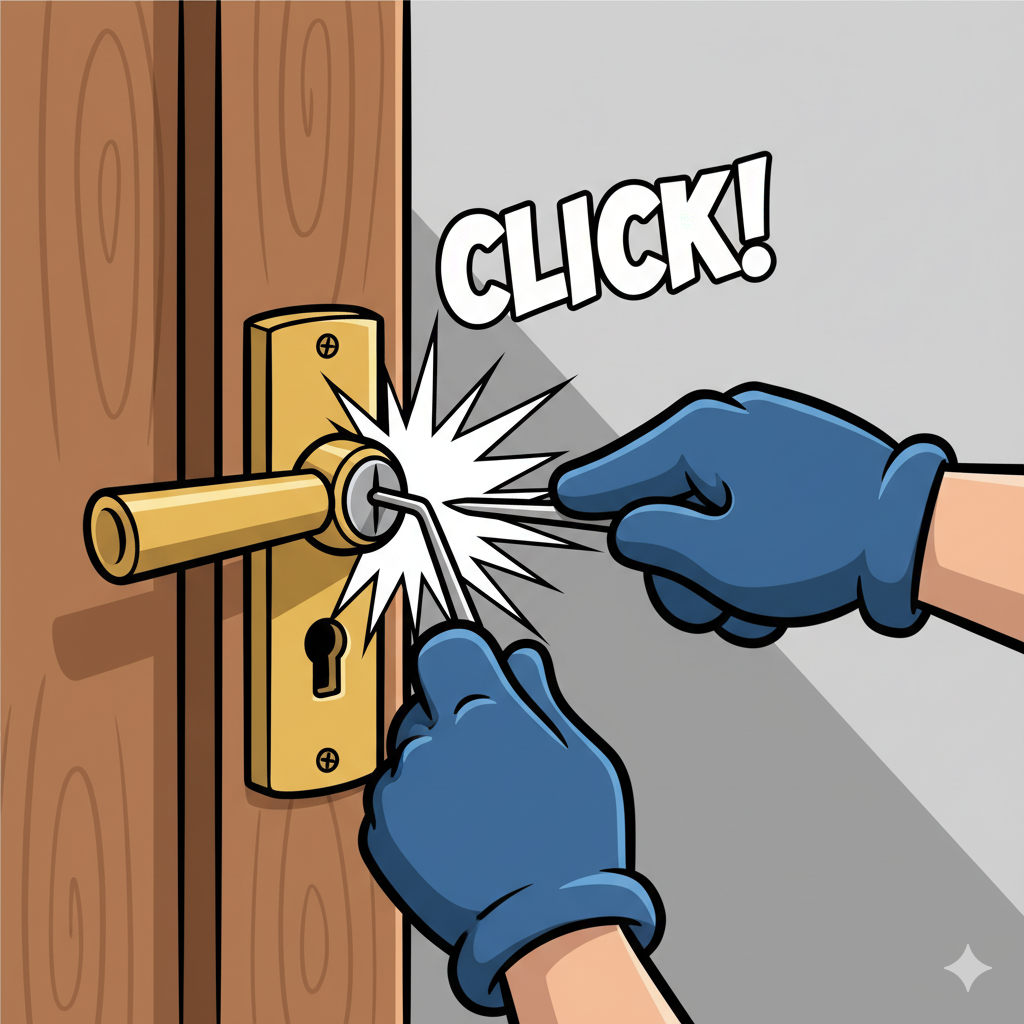
When you need emergency help - safe steps to take
When alone during an emergency, position yourself where you can observe the technician and avoid isolated entry points until they prove legitimacy. A quick photo of credentials and the license plate reduces the chance a scammer can vanish without accountability. Trust your instincts; if the tech refuses to leave a detailed estimate or makes you uncomfortable, pause the job and get a second opinion or local assistance.
Selecting contractors for permanent work
Always ask for a written proposal that lists hardware brands, quantities, labor, warranty, and timing before work begins. A professional shop will stand behind its work with a warranty that covers faulty installation or defective parts for a stated period. Two or three recent references for similar residential or commercial jobs helps confirm consistent quality and reliability.
Reporting and remediating damage or overcharges
Keep receipts, photos, and written estimates, and file a report with local law enforcement or consumer affairs when theft or property damage is involved. If you paid cash, recovering funds is harder, but a clear record and police report can still help. Share the experience on local review sites and with neighborhood networks to warn others, but stick to factual descriptions and dates to avoid defamation issues.
Final selection checklist to carry in your phone
A compact checklist prevents rushed decisions and keeps safety front of mind during emergency calls. Make sure your checklist covers licensing, a clear job price, the dispatched person's identity and vehicle, plus assurance the job will receive a written invoice. If an option is missing, pause and call a second service or a recommended local shop to compare options before allowing work to begin.
Notes for property managers and landlords
A standing contract or preferred vendor list reduces the chance of hasty hires and helps control costs and quality over time. Detailing the hardware installed and the keys issued prevents sloppy rekeying and reduces security risks later. Policy and paperwork prevent weak links in your access control processes and help with liability management.
Practical closing advice you can use today
The few extra minutes you spend checking credentials and prices save far more time and money than hurried decisions do. Preventive action like scheduled rekeying and planned upgrades is cheaper and safer than reactive fixes after a lockout or break-in. Keep one or two trusted local locksmiths saved in your phone and rotate small jobs to maintain those relationships so when real emergencies occur you already know who to call.